
 TR
TR  EN
EN 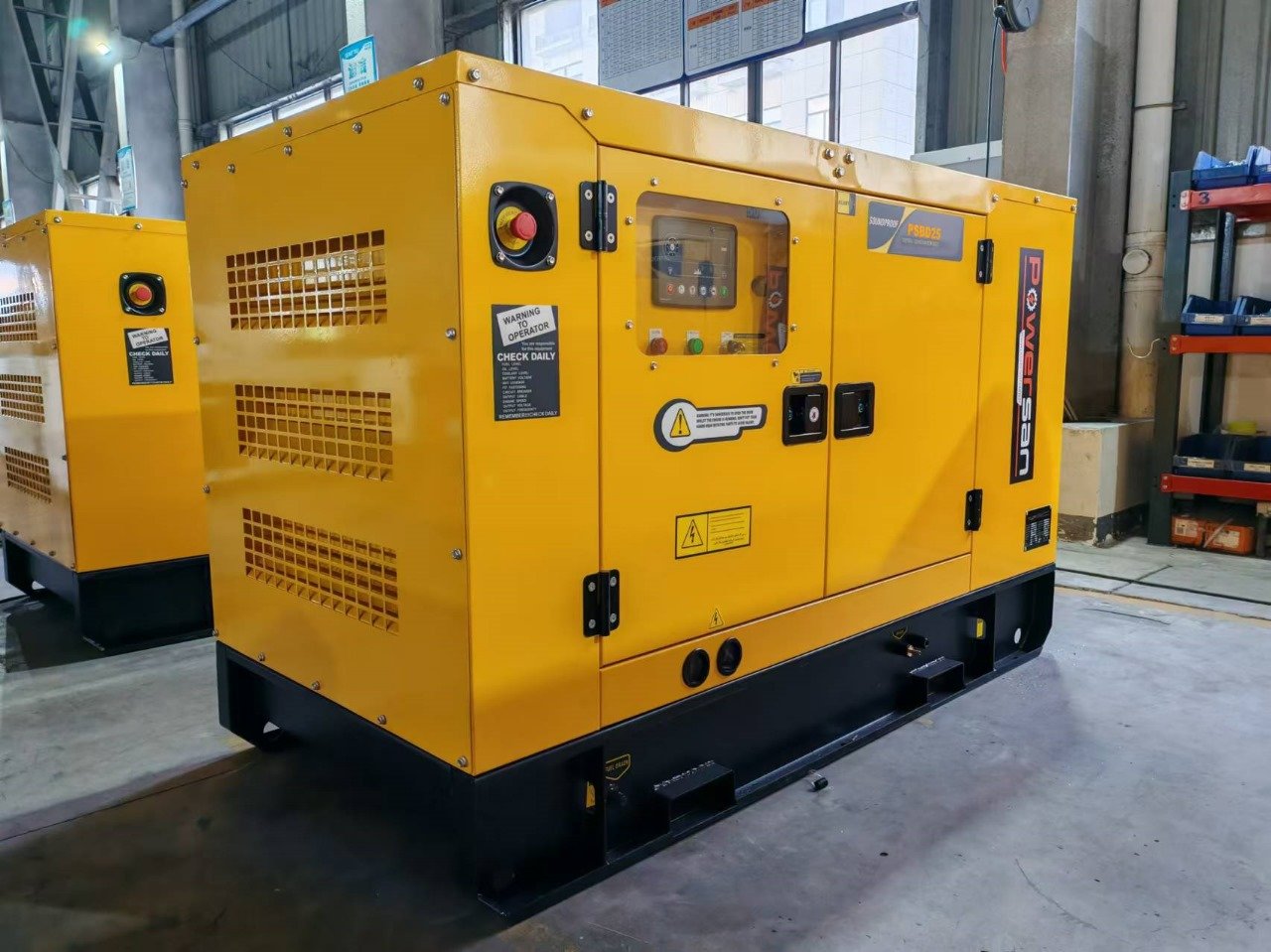
Choosing the right generator requires more than simply selecting a unit with a high power rating. The generator must be matched to the electrical load, operating conditions and intended application. A properly selected generator can provide reliable power while avoiding unnecessary oversizing or performance problems.
Determine the Required Power Capacity
The first step is to identify the loads that the generator will need to supply. This includes the normal running demand as well as the additional starting power required by equipment such as electric motors, pumps, compressors and HVAC systems.
For this reason, generator sizing should not be based only on the sum of equipment nameplate wattages. Starting currents, simultaneous loads, load characteristics and future capacity requirements should also be considered when determining the appropriate generator rating.
Choose the Appropriate Fuel Type
Generator sets are available with different fuel options, including diesel, gasoline, LPG and natural gas, depending on the application and power range.
Portable gasoline-powered generators may be suitable for smaller or temporary applications, while diesel generator sets are widely used for commercial and industrial standby or prime-power requirements. Gas-fuelled generator systems can also be considered where an appropriate and reliable fuel supply is available.
The most suitable fuel option depends on factors such as operating duration, required power, fuel availability, installation conditions and maintenance requirements.
Consider Portability and Installation Conditions
Portability is important when the generator needs to be moved between locations or used for temporary applications. Compact portable generators are generally easier to transport, while larger generator sets are normally installed as fixed or semi-permanent power systems.
For stationary installations, sufficient attention should also be given to ventilation, exhaust routing, access for maintenance, fuel storage and the available installation area.
Evaluate Noise Requirements
Noise level can be an important selection criterion, particularly in residential areas, hospitals, hotels, commercial buildings and other noise-sensitive environments. Generator noise is typically expressed in decibels (dB), although the measurement distance and operating conditions must also be considered when comparing specifications.
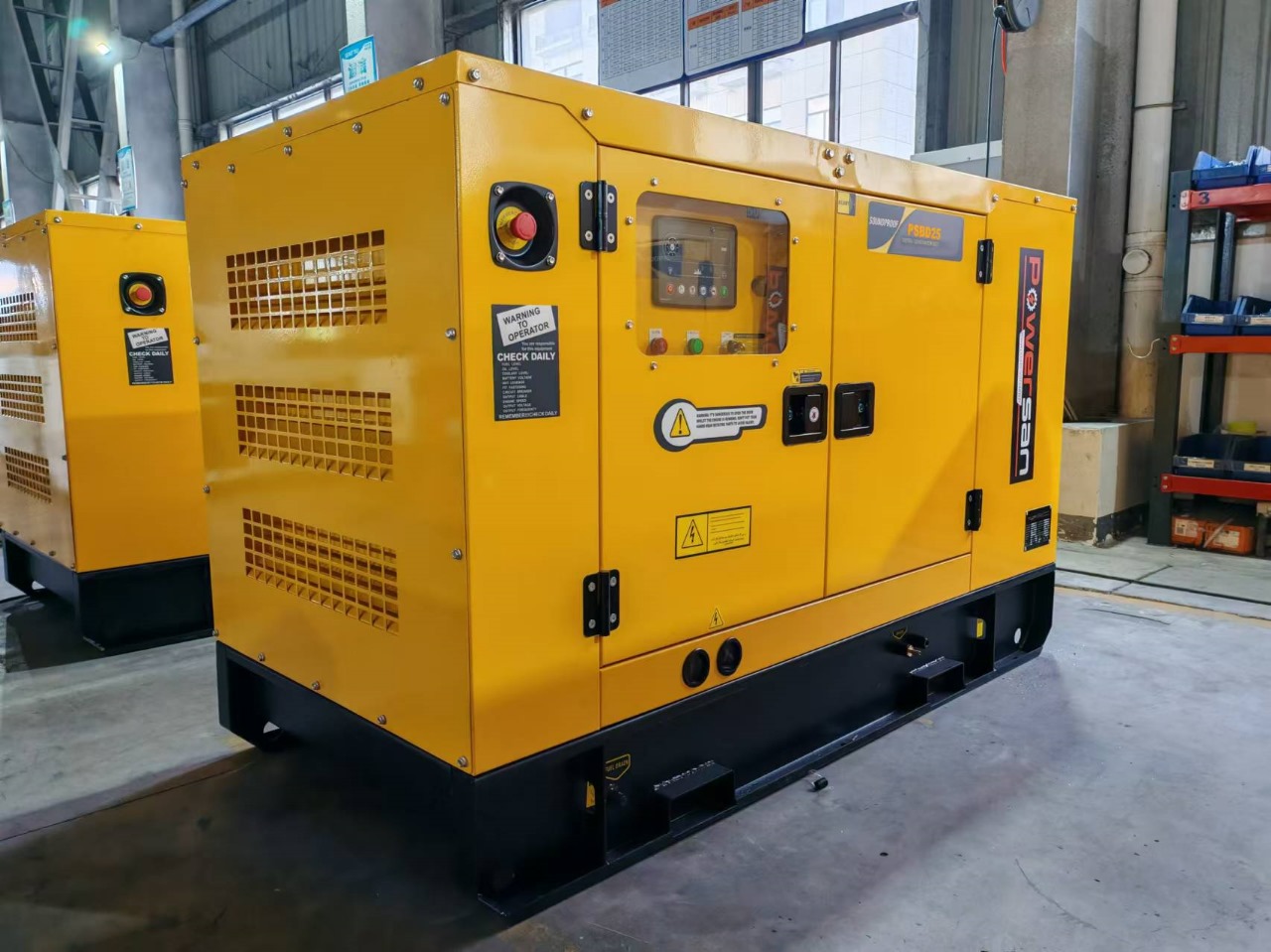
Where lower noise levels are required, a properly designed acoustic enclosure and suitable installation layout can significantly improve the overall acoustic performance of the generator system.
Plan for Fuel, Maintenance and Operating Requirements
Fuel capacity, expected operating hours and routine maintenance requirements should also be considered before selecting a generator. Engine oil, filters, cooling-system components and other service items require periodic inspection or replacement according to the manufacturer's maintenance schedule.
A generator that is correctly sized for the application and supported by an appropriate maintenance programme will provide a more reliable and practical power solution throughout its operating life.